

Are Studio Headphones Good for Gaming

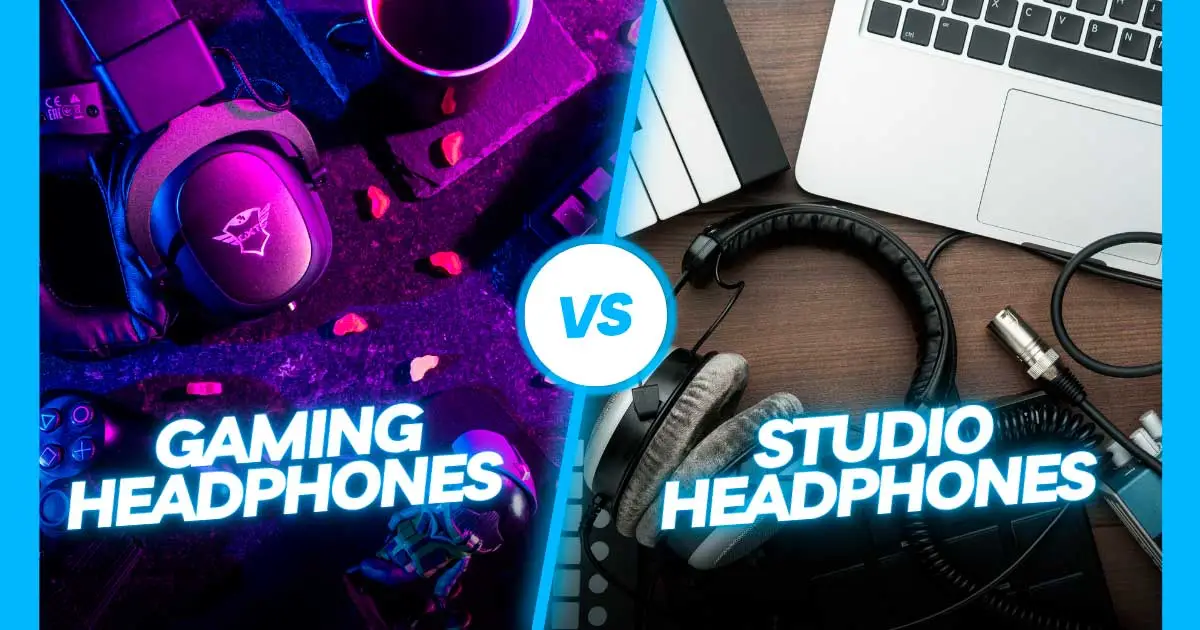
When it comes to gaming, audio is just as important as graphics and hardware performance. Many gamers and PC enthusiasts wonder whether studio headphones, traditionally designed for music production and mixing, are suitable for gaming. These headphones are known for their accurate sound reproduction and flat frequency response, but gaming has different requirements, including immersive sound, directional audio, and long-term comfort. In this guide, we will explore the advantages and limitations of using headphones for gaming and help you decide if they are the right choice for your setup.
What Makes Studio Headphones Unique
Studio headphones are designed for professional audio work. Their primary focus is accuracy and neutrality, allowing producers and sound engineers to hear every detail without exaggeration. Key features include:
- Flat Frequency Response
Studio headphones aim to reproduce sound as accurately as possible, without boosting bass or treble. This allows musicians and engineers to detect even minor details in audio recordings. - Open or Closed Back Designs
Headphones for studio come in open-back and closed-back designs. Open-back headphones provide a wider soundstage and natural audio, while closed-back headphones reduce sound leakage and provide isolation. - Durable Build Quality
Professional headphones for studio are built for extended use, with robust materials, replaceable ear pads, and high-quality drivers that last for years.
While these features are excellent for audio production, gaming introduces additional needs, including positional audio, communication, and comfort during long sessions.
Advantages of Using Studio Headphones for Gaming
1. Exceptional Audio Accuracy
One of the biggest advantages of studio headphones for gaming is their accuracy and clarity. They allow you to hear subtle details in games, such as distant footsteps, environmental cues, or faint in-game sounds. This can provide a competitive edge in first-person shooters and strategy games, where awareness of the environment is crucial.
2. Wide Soundstage
Many headphones, especially open-back models, provide a wide soundstage, creating a more immersive gaming experience. This helps gamers feel more connected to the in-game environment, with sounds coming from precise directions. Compared to standard gaming headsets, studio headphones can make action games, RPGs, and cinematic adventures feel more realistic.
3. Comfort for Long Sessions
Studio headphones are designed for extended listening periods. Features like soft ear padding, adjustable headbands, and lightweight construction make them comfortable for marathon gaming sessions. Unlike some gaming headsets with heavy designs or rigid plastic, studio headphones often prioritize user comfort for hours of use.
4. High-Quality Build
Durability is a hallmark of professional studio headphones. Many models use metal components, replaceable parts, and high-quality cables, making them a long-term investment for gamers who want reliable equipment.
Limitations of Studio Headphones for Gaming
While headphones for studio excel in accuracy and comfort, there are some limitations when using them for gaming:
1. Lack of Built-In Microphones
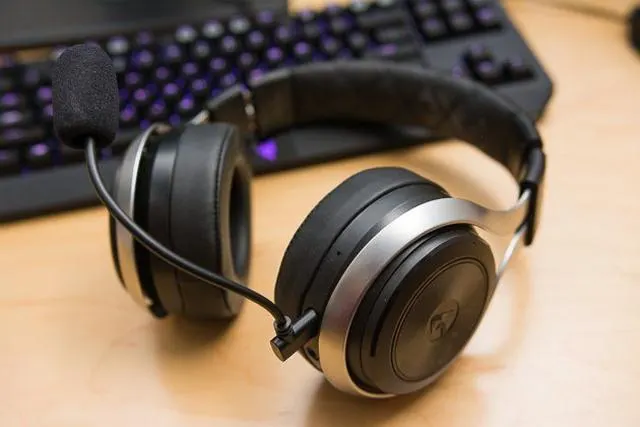
Most studio headphones do not include a microphone, which is essential for multiplayer games and online communication. Gamers may need to invest in a separate desktop microphone or attach a boom mic, which can be less convenient than an integrated solution.
2. Limited Surround Sound Features
Many gaming headphones include virtual 7.1 surround sound or spatial audio to enhance positional awareness. These headphones are designed to reproduce sound accurately but typically do not simulate surround sound, which may limit immersive experiences in some competitive or cinematic games.
3. Open-Back Sound Leakage
Open-back studio headphones provide a wider soundstage, but they leak sound, which can disturb others nearby and allow external noises to interfere with gameplay. Closed-back headphones for studio reduce leakage but may not match the immersive experience provided by gaming-focused surround sound.
4. Compatibility Considerations
Some high-impedance studio headphones require amplifiers or audio interfaces to deliver optimal sound. While they can work with PCs, the additional equipment may be cumbersome compared to plug-and-play gaming headsets.
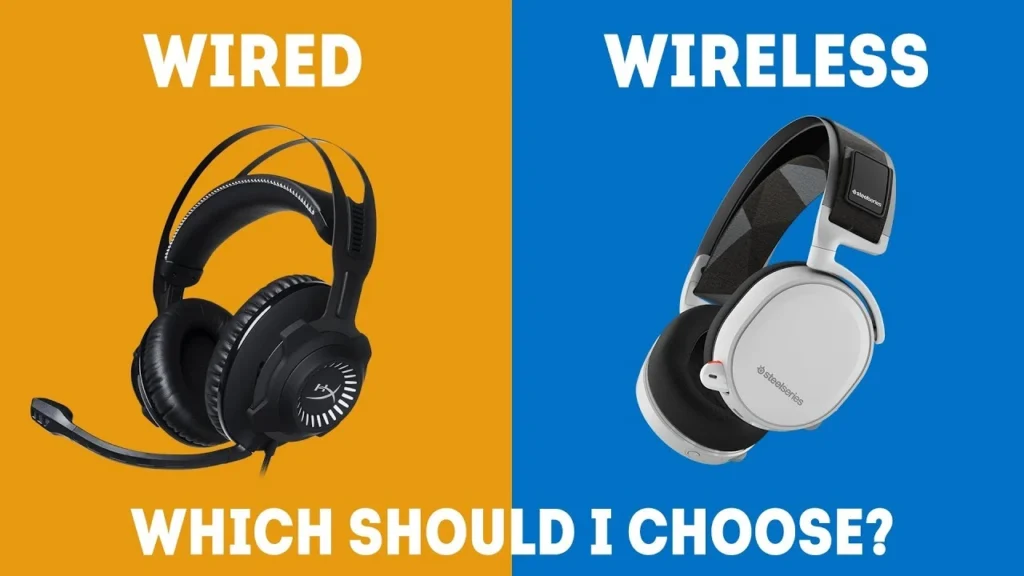
Wired vs Wireless Studio Headphones for Gaming
While headphones for studio are traditionally wired, there are wireless options available. Understanding the differences is essential for gaming applications:
- Wired Studio Headphones
Provide consistent sound quality and no latency issues, making them suitable for competitive gaming. Wired headphones are also more affordable compared to wireless models with similar audio performance. - Wireless Studio Headphones
Offer freedom of movement and reduce cable clutter but may introduce slight latency. High-end wireless models with low-latency connections can work well for casual and competitive gaming but are typically more expensive.
Related read: Is wired or wireless headset better for gaming
Enhancing Studio Headphones for Gaming
Gamers who choose studio headphones can enhance their experience with a few adjustments:
- External Microphone
Pair your headphones with a desktop or clip-on microphone to enable clear communication with teammates. - Software-Based Surround Sound
Some gaming software or sound cards can simulate virtual surround sound, improving positional audio and providing a more immersive experience. - Amplifiers or DACs
Using a digital-to-analog converter (DAC) or headphone amplifier can optimize sound output and unlock the full potential of high-impedance studio headphones. - Customizable EQ Settings
PC software often allows adjusting EQ profiles to enhance bass, mids, or treble according to game requirements. This can make headphones for studio feel more dynamic for gaming without sacrificing accuracy.
Who Should Consider Studio Headphones for Gaming?
Studio headphones are ideal for gamers who:
- Prioritize audio accuracy and clarity over built-in gaming features.
- Play single-player, story-driven games, RPGs, or cinematic experiences.
- Have a separate microphone or are willing to invest in one for multiplayer games.
- Value comfort and durability for long gaming sessions.
- Appreciate high-quality build and replaceable parts.
For gamers seeking an all-in-one solution with surround sound and integrated microphone, dedicated gaming headsets may be more convenient.
Related read: What is a good gaming headset for pc
Related read: What are the best wireless headphones for gaming
FAQs
Can headphones be used for competitive gaming?
Yes, headphones provide accurate sound, which can be an advantage in competitive games. However, lack of built-in surround sound and microphone may require additional accessories.
Do studio headphones offer surround sound?
Most studio headphones are designed for accuracy and flat response rather than surround sound. Software solutions or external sound cards can simulate surround sound if needed.
Are wired headphones better than wireless for gaming?
Wired headphones offer consistent sound and zero latency, making them ideal for competitive gaming. Wireless models provide freedom of movement but may introduce minor latency.
How comfortable are headphones for long gaming sessions?
Headphones are built for extended listening, featuring soft ear padding, adjustable headbands, and lightweight construction, making them comfortable for marathon gaming sessions.
Can I use a separate microphone with studio headphones?
Yes, you can pair studio headphones with desktop microphones, clip-on mics, or boom mics to communicate during multiplayer games.