

Is Wired or Wireless Headset Better for Gaming

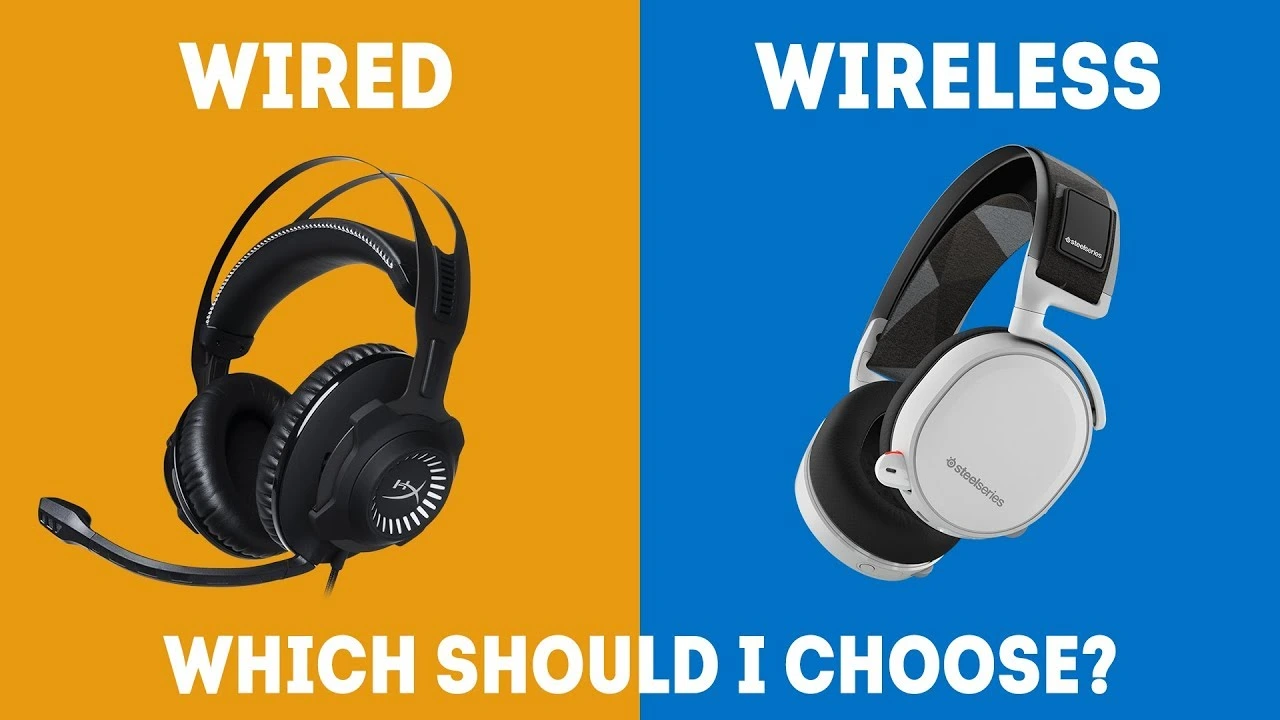
Gaming is no longer just about graphics and high-performance hardware. Audio plays a crucial role in immersion, communication, and even competitive performance. One of the most common questions among gamers and PC enthusiasts is whether to choose a wired or wireless headset. Both have their benefits, and the decision depends on your priorities, whether it is sound quality, comfort, or convenience. In this guide, we will explore the pros and cons of both options, discuss recent trends in gaming audio, and help you make an informed choice for your setup.
Why Choosing the Right Gaming Headset Matters
Before diving into the wired versus wireless debate, it is essential to understand what makes a good gaming headset. A high-quality headset can improve gameplay by delivering immersive sound, precise directional cues, and clear communication. Comfort during long sessions, durability, and customization options also play a significant role in the overall gaming experience.
A well-chosen headset enhances every aspect of gaming, whether it is the subtle footsteps in a shooter, the cinematic score of an adventure game, or communicating with teammates during multiplayer battles.
Related read: What is a good gaming headset for pc
Wired Gaming Headsets: Pros and Cons
Pros of Wired Headsets
- Consistent and Reliable Sound Quality
Wired headsets are known for their consistent audio performance. Since the connection is direct, there is no risk of interference or signal drop, providing a stable and reliable sound output. This makes wired headsets ideal for competitive gaming where every sound cue matters. - Lower Latency
Latency is the delay between the audio signal being transmitted and when you hear it. Wired connections typically have minimal latency, ensuring that sound effects are in perfect sync with the action on screen. This can be crucial for fast-paced games such as first-person shooters or racing simulators. - No Battery Concerns
Unlike wireless models, wired headsets do not require charging. You can enjoy uninterrupted gaming sessions without worrying about battery life or connectivity issues. This is particularly advantageous for marathon gaming sessions. - Generally More Affordable
Wired headsets often provide excellent audio performance at a lower price point compared to wireless options. Gamers can invest in higher-quality drivers and materials without increasing the cost significantly.
Cons of Wired Headsets
- Limited Mobility
The main drawback of a wired headset is restricted movement. Cables can become tangled or limit your freedom of movement, which can be inconvenient if you like to stretch or move around while gaming. - Cable Wear and Tear
Frequent bending or accidental yanking can damage the cable over time. High-quality braided cables can help reduce this risk, but durability is still a consideration.
Wireless Gaming Headsets: Pros and Cons
Pros of Wireless Headsets
- Freedom of Movement
Wireless headsets allow gamers to move freely without being tethered to the PC. This is ideal for those who like to sit back on a couch, switch positions, or even use the headset for casual music and streaming. - Reduced Cable Clutter
A wireless headset eliminates cable clutter around your gaming desk. This not only improves aesthetics but also reduces the chances of accidental pulls or damage to the cord. - Advanced Features
Many modern wireless headsets come with additional features such as customizable RGB lighting, app-based audio profiles, and programmable controls. These features add convenience and enhance the gaming experience beyond just sound quality.
Cons of Wireless Headsets
- Potential Latency Issues
While technology has improved, wireless headsets can still introduce slight latency compared to wired models. High-end models with low-latency 2.4GHz connections or Bluetooth Low Latency protocols can minimize this, but it is worth considering for competitive gaming. - Battery Life
Wireless headsets require charging, and battery performance varies between models. Short battery life can interrupt long gaming sessions, making it essential to choose a headset with sufficient battery capacity for your needs. - Generally More Expensive
Wireless technology and additional features often make wireless headsets more expensive than wired counterparts with similar audio quality.
Sound Quality and Immersion
When comparing wired and wireless headsets, sound quality and immersion are critical factors. Wired headsets typically offer slightly better fidelity due to the direct connection, ensuring every footstep, gunshot, and environmental sound is accurate and clear.
However, recent wireless headsets have closed this gap significantly. High-end wireless models now provide immersive surround sound, customizable EQ settings, and even software-driven spatial audio, making them suitable for both casual and competitive gamers.
Related read: Are studio headphones good for gaming
Comfort and Long Gaming Sessions
Comfort is another key consideration when choosing between wired and wireless headsets. Wired headsets are often lighter since they do not carry batteries, but cables can sometimes create tension or pull during use. Wireless headsets may be slightly heavier due to batteries, but many models feature ergonomically designed ear cups, memory foam padding, and adjustable headbands for extended comfort.
Both wired and wireless headsets are available with breathable materials, rotatable ear cups, and designs that reduce fatigue during marathon gaming sessions. Choosing a headset that feels comfortable over long periods is crucial for an enjoyable experience.
Customization and Software Features
Modern gaming headphones offer more than just audio. Whether wired or wireless, many come with software that allows customization of audio profiles, RGB lighting, and microphone settings. This allows you to tailor your headset to specific games, enhance tactical sounds, or match your gaming setup aesthetics.
Wireless headsets often include additional convenience features like on-headset controls and wireless range management. Wired headsets, while limited in wireless features, can also offer software-driven EQ customization and advanced surround sound options.
Related read: What are the best wireless headphones for gaming
Choosing the Right Headset for Your Gaming Style
Ultimately, whether you choose a wired or wireless headset depends on your gaming style and priorities:
- If you are a competitive gamer who requires minimal latency and maximum audio precision, a wired headset is likely the better choice.
- If you prioritize mobility, convenience, and wireless freedom, a high-quality wireless headset with low-latency connection is ideal.
- For those who value comfort and additional software-driven customization, both wired and wireless headsets offer premium options.
Remember, the best headset is one that balances audio performance, comfort, and features according to your specific needs.
FAQs
Which is better for gaming: wired or wireless headsets?
Wired headsets provide lower latency and consistent audio, while wireless headsets offer freedom of movement and convenience. Your choice depends on whether performance or mobility is more important to you.
Do wireless headsets have latency issues?
Modern wireless headsets with 2.4GHz or Bluetooth Low Latency connections minimize lag. High-end models are suitable for most competitive and casual games.
Can I use a wired headset wirelessly with an adapter?
Some wired headsets can be paired with wireless adapters, but this may introduce latency or reduce audio quality. Check compatibility before attempting this setup.
Are wired headsets more durable than wireless ones?
Wired headsets avoid battery issues and tend to have simpler components, making them more durable in the long term. Wireless headsets have additional electronics and batteries, which may require extra care.
Does the choice affect multiplayer communication?
Both wired and wireless headsets can provide clear communication with noise-canceling microphones. Wireless headsets may include extra convenience with retractable mics and software-based voice enhancements.